Chat with us
Strategic Solutions

DevSecOps
Excellence

Embed security into every stage of your development lifecycle with our DevSecOps integration services. We implement automated security controls, threat modeling, risk management, and continuous compliance monitoring to ensure your applications are secure by design without sacrificing delivery speed.

DevSecOps Integration
Service Overview

Modern DevSecOps Integration for scalable digital execution

As an organization, you must be using some applications. But have you ensured its security? With so many people using these applications, security is the prime concern. But what if we tell you about our practical DevSecOps model, you don’t have to worry about security at every stage since the beginning of your project. So, there will be continuous integration and fewer quality control failures with increased delivery speed and compliance.
SAST & DAST Integration
Automated Vulnerability Scanning
Infrastructure as Code (IaC) Security
Compliance as Code
Secret Management & Rotation
Identity & Access Management (IAM)
Container Security Benchmarking
Cloud Security Posture Management (CSPM)
DevSecOps Integration

Security by Design

Embed security controls directly into the CI/CD pipeline for automatic enforcement.

Reduced Remediation Costs

Catch and fix security flaws during development, not after a breach.

Continuous Compliance

Maintain regulatory compliance (HIPAA, PCI-DSS, GDPR) with automated audits.

Comprehensive Capabilities

Automation

With its automated security controls, the chances of vulnerabilities can be predicted. So you can prevent errors in the production environment before they arise. This way, it wouldn’t impact your delivery speed, reducing reworks.

Risk Management

DevSecOps process promotes a zero-trust attitude towards external connections, including third-party software, lowering the possibility that integration with another component will invalidate the integrity of your application. Our cyber security service assists clients in integrating the DevSecOps lifecycle with other risk management facets, such as infrastructure security, security architecture and operations, data security, and cyber threat protection, in offering thorough, layered, and practical protection.

Threat modeling

DevSecOps security helps to detect threats before they arise so you can prevent them and offer a smooth user experience. We, iTechOps, also help our clients plan and execute threat modeling exercises to detect risks and set up the necessary prevention. This way, the time-to-patch reduces along with the development cost.

Continuous Security Monitoring

Security doesn't end at deployment. We implement continuous monitoring solutions that scan your production environments for new vulnerabilities and misconfigurations in real-time.

Real-time vulnerability scanning
Runtime application self-protection (RASP)
Automated compliance auditing
Intrusion detection and prevention

Shift-Left Security Testing

By integrating security testing directly into the developer's workflow, we identify and fix issues at the earliest possible stage, significantly reducing the cost and effort of remediation.

Static Application Security Testing (SAST)
Dynamic Application Security Testing (DAST)
Software Composition Analysis (SCA)
Container Image Scanning
Our Process

How We Deliver DevSecOps Integration Excellence

A proven, systematic approach to building reliable, scalable systems

1

Get in touch

Tell us about your project and a brief description of your requirements.
2

Discovery session

We discuss your requirements, goals, architecture needs, and timeline.
3

Customized proposal

You receive a technical proposal with scope, budget, and next steps.

Certified Experts & Proven Track Record

Our team consists of certified cloud architects, DevOps engineers, and security specialists with years of enterprise experience. We adhere to industry best practices, ensuring your DevSecOps Integration solutions are scalable, secure, and compliant.

ISO 27001 CompliantAWS & Azure CertifiedEnterprise Grade Quality

Do You Need DevSecOps Expert?

iTechOps helps clients plan and execute threat modeling exercises to detect risks and set up necessary prevention.

Response guaranteed within 24 hours

Frequently Asked Questions

Find answers about iTechOps services, ways of working, and how to discuss your requirements with our team.

What are some advantages obtained by DevSecOps services?
When you integrate DevSecOps into your software development process, you’ll get the following advantages:Secure software developmentConstant security testing and monitoringBetter communication and collaboration with the teamImproved visibility and controlCompliance
When can you consider DevSecOps successful?
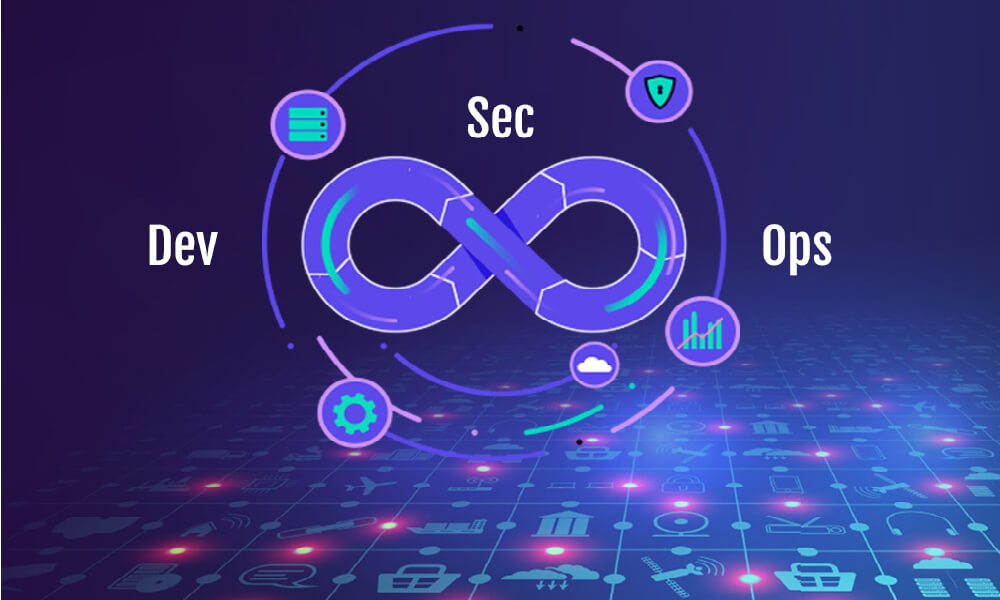
DevSecOps experts only consider it successful when there’s a seamless collaboration between the Development, Security, and Operations teams. This collaboration makes it easier to bring results and fulfill DevOps goals with improved security.
Do you need coding experience for DevSecOps?
Of course, coding and scripting skills can be an added advantage, just like it is for DevOps. However, there’s no need to be an expert in programming.
What is the clear difference between DevOps and DevSecOps?
DevOps is when people come together to create and offer secure software quickly. However, DevSecOps is when security is prioritized in every software development phase. Through different tools and methods, it protects and monitors live applications.
What is the need for DevSecOps?
DevSecOps helps to create shorter development cycles. Since the time required for development shortens, you can bring in frequent developments, too. This way, even the disruptions in the process are minimal, and collaboration between teams gets stronger.
Is DevSecOps cybersecurity?
Well, DevSecOps and cybersecurity are a part of each other. The prime focus of both is security. Cybersecurity can be used in all digital areas. However, DevSecOps is specifically used while creating a product.
How does DevSecOps secure the applications?
DevSecOps helps in provision infrastructure, observability, and policy enforcement. It does it through the DevSecOps pipelines. This way, the development team can look into other important aspects like code modularity and structuring. Whereas the service department monitors and secures the application.
What are the common tools used in DevSecOps?
Popular DevSecOps tools include SonarQube for static analysis, Snyk or OWASP Dependency-Check for SCA, HashiCorp Vault for secret management, Aqua Security or Prisma Cloud for container security, and Terraform-compliance for IaC security.
How does DevSecOps handle Secrets Management?
DevSecOps emphasizes never storing secrets (like API keys or passwords) in code. Instead, it uses centralized secret management tools that inject secrets into the application at runtime, ensuring they are encrypted and rotated regularly.
What is Software Composition Analysis (SCA)?
SCA is the process of identifying open-source components and other third-party dependencies used in an application and checking them for known security vulnerabilities and license compliance issues.
How do you implement security in Infrastructure as Code (IaC)?
Security in IaC involves using static analysis tools to scan Terraform, CloudFormation, or Ansible scripts for misconfigurations (like open S3 buckets or insecure security groups) before the infrastructure is even provisioned.
Explore with AI

Want to Learn More? Ask AI About iTechOps

Explore our engineering expertise and ways to work together. Choose your preferred AI assistant to start with a question about iTechOps and our core services.

AI responses can vary. Confirm service details and availability with our team.

Talk to iTechOps